
Violoop V4 Launches: Hardware Form Factor Ends Software Assistant Ceiling
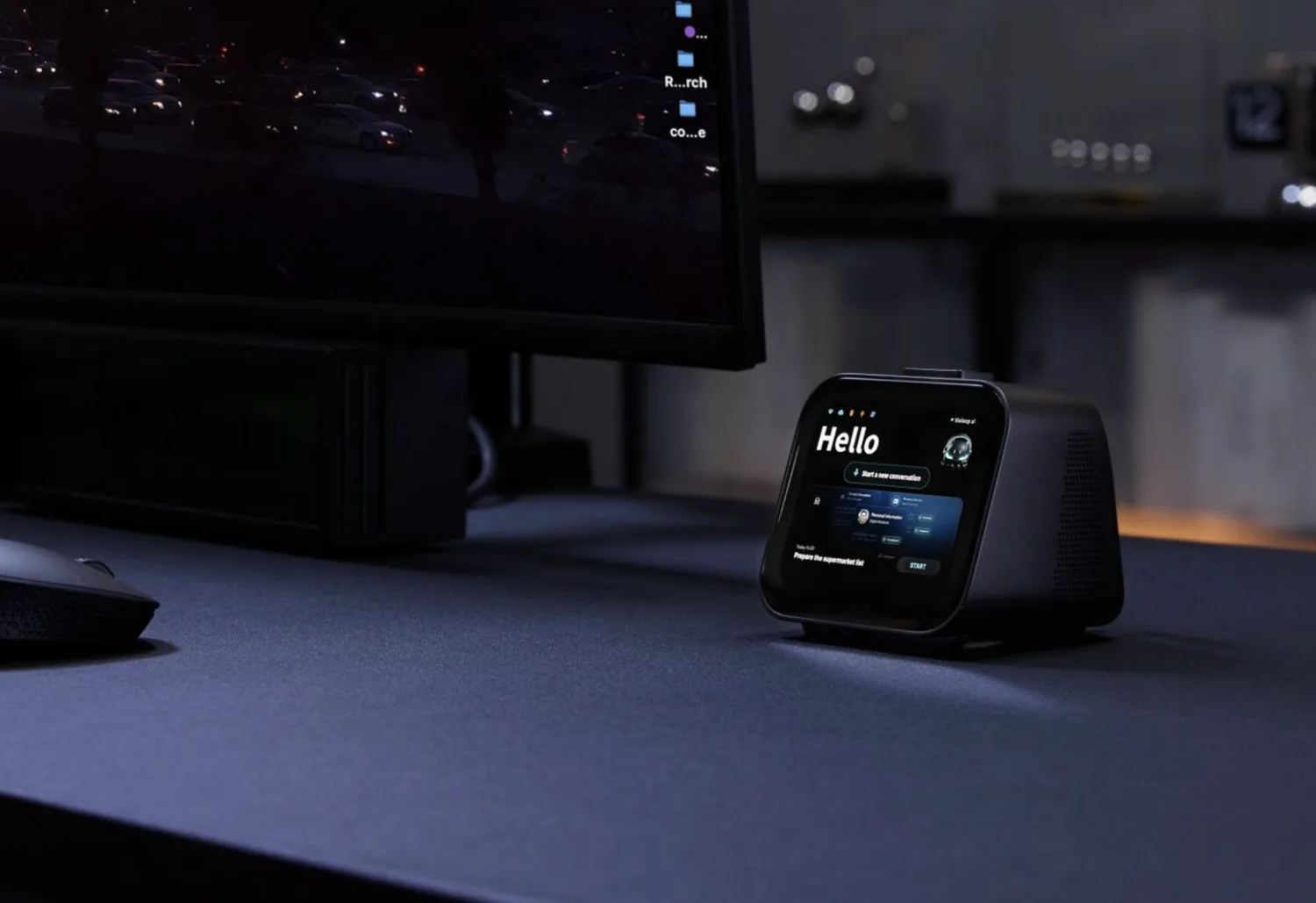
Violoop announced V4 hardware assistant completion of 100-million RMB financing round and plans to launch on Kickstarter on September 15, 2026. Key hard facts:
- Release date: V4 hardware available; Kickstarter launch set for September 15
- Price and availability: $699 retail; limited first batch of several thousand units in China
- Architecture: Edge-side for perception/recommendation; cloud for complex tasks
- Weight openness: Model weights not open-sourced; SDK and CLI/MCP interfaces provided
Violoop is a palm-sized standalone hardware device connecting to computers via single Type-C cable (video capture and control integrated), supporting Mac, Windows, and Linux with plug-and-play functionality. The core technical breakthrough lies in response latency: edge-side processing compresses feedback to under 1 second, maximally 1.5 seconds—directly solving the fatal flaw of software-only AI assistants that respond after users have already switched to the next conversation.
Why Hardware Is Necessary: Edge-Side Compute Is the Lifeline for Proactive AI
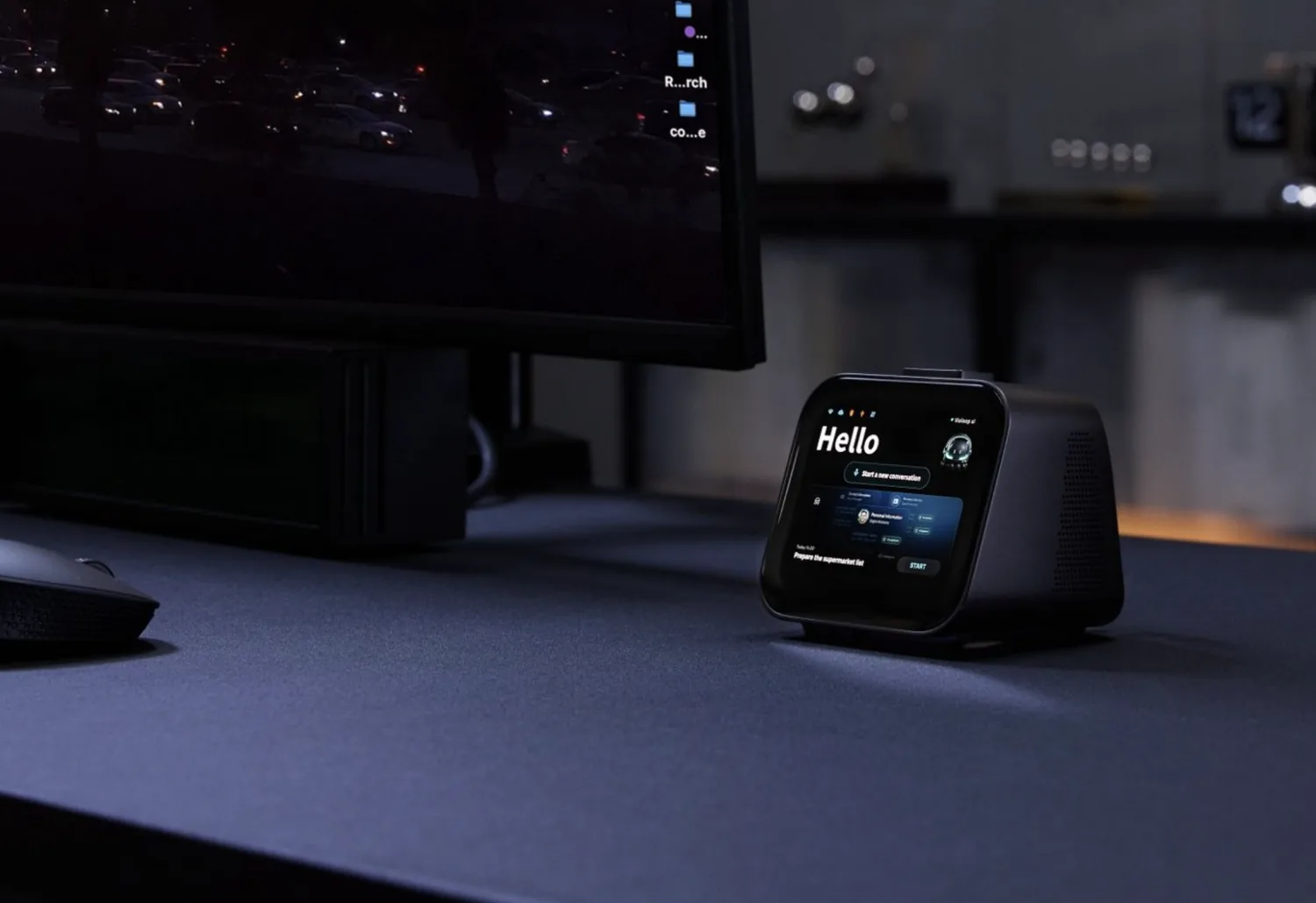
The Violoop team measured: relying on cloud models incurs at least 3.5 seconds latency even on stable networks—meaningless for real-time workflows. Human users tolerate AI responsive time extremely narrowly: acceptable within 1.5 seconds, truly seamless at under 1 second, and abandoned at 3 seconds.
To deliver on “sub-second response”, Violoop V4 incorporates:
- Rockchip RK3576 octa-core processor + dedicated AI accelerator (26 TOPS total compute)
- 8GB LPDDR4X RAM + 5GB 3D-stacked DRAM
- 128GB eMMC 5.1 storage
- Independent security chip isolating keys and certifying high-risk actions
This configuration enables 10B-parameter models running locally at 45 tokens/second—2.7× faster than Mac mini. The edge-side handles “perception” (real-time screen reading for task understanding) and “recommendation” (offering简洁 options); complex tasks delegate to cloud large models.
Counterintuitive Data: What Pure Software AI Simply Cannot Do
Violoop differentiates from software-only competitors like Tencent WorkBuddy through its ability to circumvent closed application layers.
Major workplace apps like WeChat and CapCut lack open APIs; software AI cannot interface even if intended. Violoop reads screen content and simulates real mouse/keyboard operations, achieving “zero-detection” application-layer access: auto-inserting resume clips in video editing, pasting files directly in WeChat dialog boxes, cross-app price comparison with results returned—all requiring only user key confirmation.
Users have discovered unexpected scenarios:
- AI asks “Want me to compare prices?” while browsing products
- Auto-generates quotes within email drafts for reply inclusion (send remains user-confirmed)
- Collects address/creates meeting link across applications
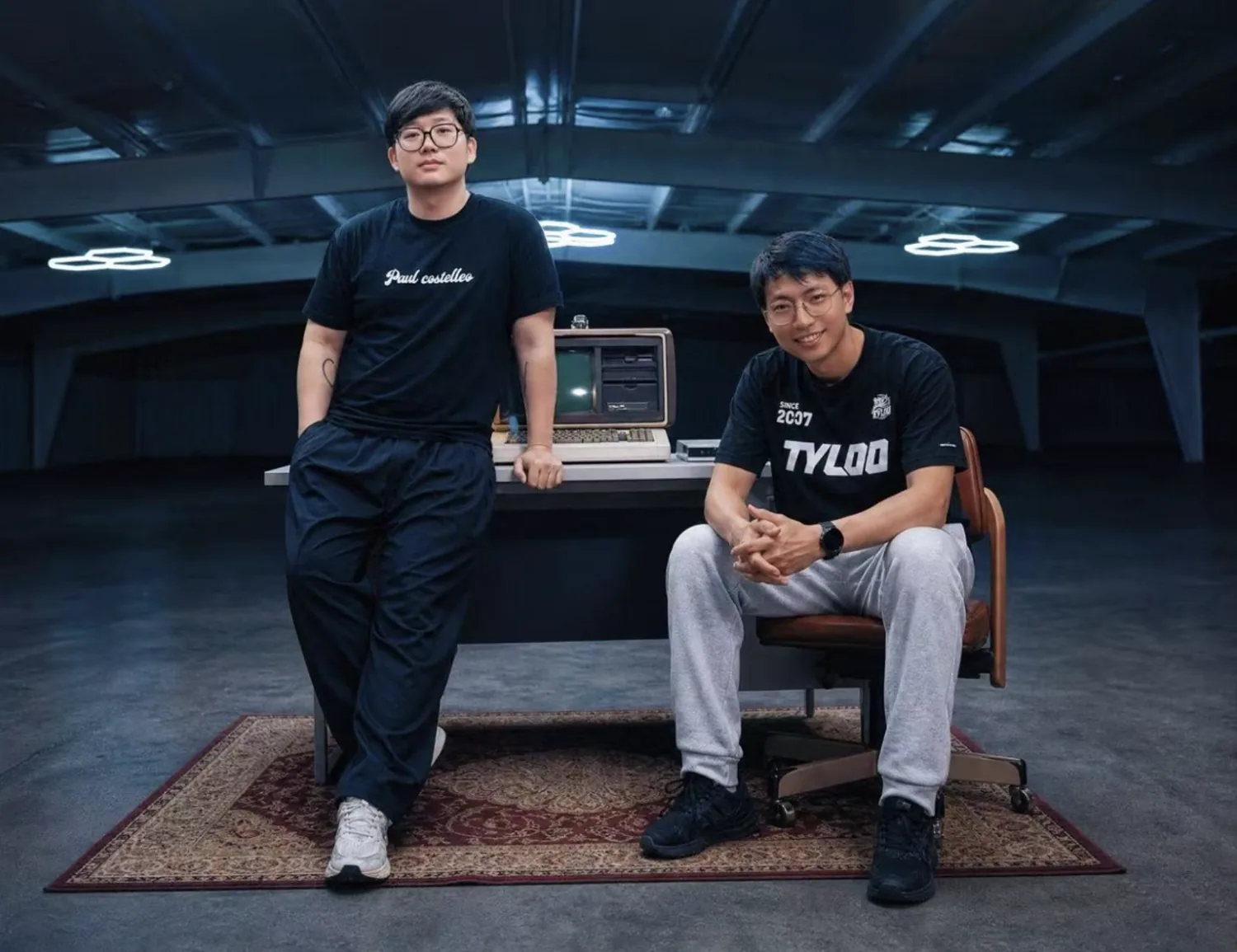
CEO He Jialin (UC San Diego CS grad, YC program participant) and CTO King Zhu (MIT EECS 3.5-year Bachelor+Master, former Microsoft Xbox/HoloLens core engineer) emphasize: this is not a tool orchestration layer but the user’s “Second Self” grounded in screen activity.
| Feature Comparison | Violoop V4 | Software-Only AI (e.g., WorkBuddy) |
|---|---|---|
| Response Latency | ≤1.5 seconds (edge processing) | ≥3.5 seconds (cloud round-trip) |
| App Integration | Mouse/keyboard simulation, zero detection | API-dependent; no access to WeChat/CapCut |
| Context Acquisition | Real-time full-screen reading | Fragmented, app-permission limited |
| Model Execution | Edge for main tasks + cloud for complex | Fully cloud-based |
Who Should Act Now? Who Should Wait?
Recommended for:
- Professionals heavily reliant on closed apps like WeChat/Feishu/CapCut
- Users tired of “prompt-wait-check-modify” cycles yet seeking legal alternatives
- Those tired of multi-window chaos without viable workarounds
Consider waiting:
- Users working primarily in pure Excel/Word without collaboration needs
- Price-sensitive individuals ($699 ≈ 5000 RMB entry barrier)
- Enterprise procurement departments only requiring generic Q&A
Violoop supports ~200 commonly used apps, but its true value is as a container—the more frequently used and screen-active, the richer the context沉淀, and the more the assistant understands you. As the CEO states: “Large models learn world knowledge; Violoop learns a person.”
Final Note
Hardware-based compute decentralization is becoming the new consensus for vertical AI assistant development: as cloud becomes saturated, competing for the ultimate context entry point—the user’s screen—is emerging as the key differentiator. Violoop’s real壁垒 lies not in chip specs but in the complete pipeline from event perception to intent judgment to low-intervention execution. If its Kickstarter launch succeeds, PC peripherals may decisively transition toward “intelligent agent carriers”.