
A premium litter robot with an AI problem
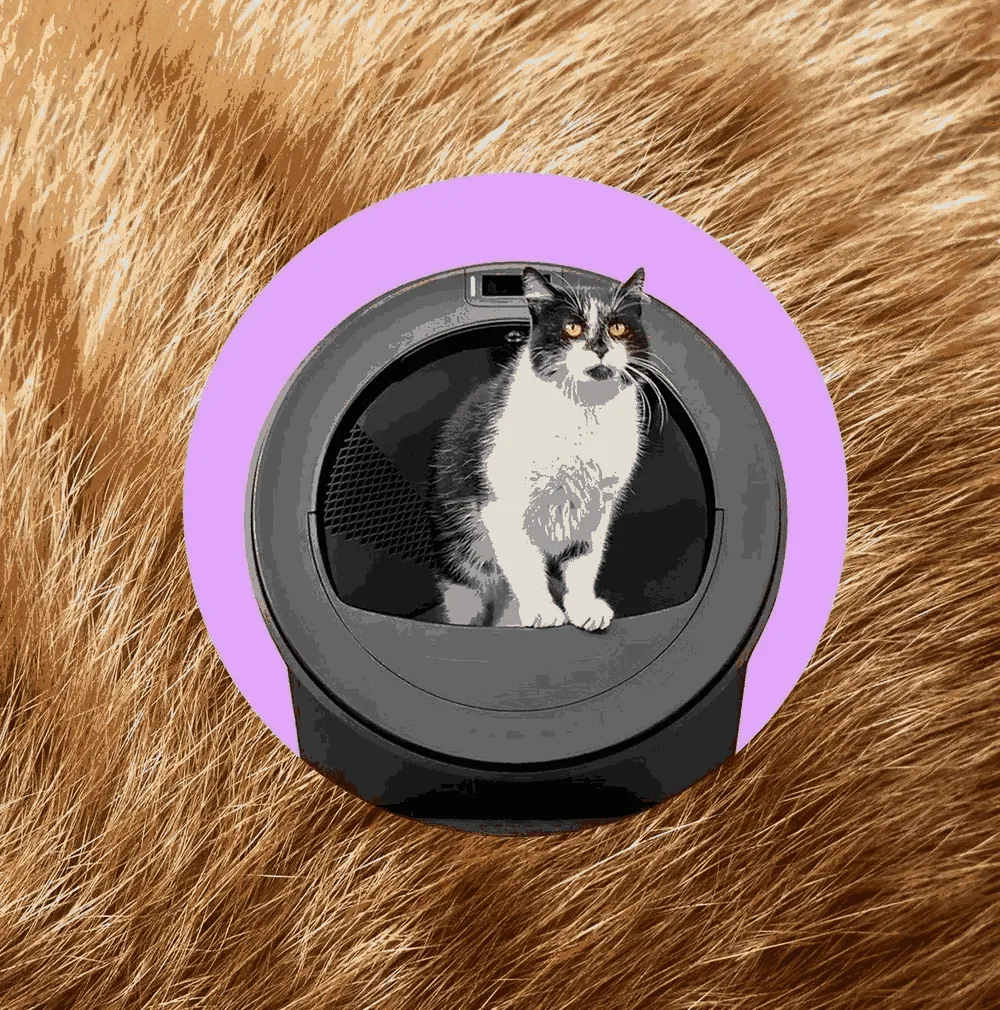
Whisker’s Litter-Robot 5 Pro is positioned as the company’s top-end robotic litter box: a self-cleaning machine that also uses cameras, sensors, AI algorithms, and machine learning to identify cats and monitor their bathroom habits. In The Verge’s six-month test, however, the central finding was blunt: the machine is an effective automatic scooper, but its AI features did not deliver reliable health insights.
The Litter-Robot 5 Pro costs $899. Whisker also sells the $599 Litter-Robot Evo, the Litter-Robot 4, and the Litter-Robot 5. Their basic cleaning mechanism is similar. A cat enters a large globe lined with litter; sensors detect the visit; after the cat leaves, the globe rotates to sift waste into a sealed drawer below. This reduces a daily chore to something closer to a weekly drawer-emptying routine, while also hiding the litter box and containing much of the smell.
Strong hardware, but expensive add-ons

As a robotic scooper, the 5 Pro performed well in the review. Its larger waste drawer, bigger dome, and more intuitive controls — including an LCD screen — made it feel like a more capable machine than the $699 Litter-Robot 4. The app also lets users control the device remotely, check waste and litter levels, and view weight data from the onboard scale.
The cheaper Litter-Robot Evo comes with clear tradeoffs. It lacks litter-level monitoring, supports fewer and smaller cats, has a smaller waste bin, includes no night light, and does not work with Whisker’s litter hopper accessory. The review also found its build quality less sturdy and its waste drawer more finicky. Its smaller footprint may help in tight spaces, but it is not simply a lower-priced version of the same experience.
Key facts from the review include:
- Litter-Robot 5 Pro: $899, with cameras, AI features, and health-monitoring claims.
- Litter-Robot Evo: $599, smaller and less fully featured.
- Litter-Robot 4: $699, used as a reference point for the 5 Pro.
- Whisker Plus costs $8 per month and covers AI health features and video storage.
Cat ID and WasteID fell short
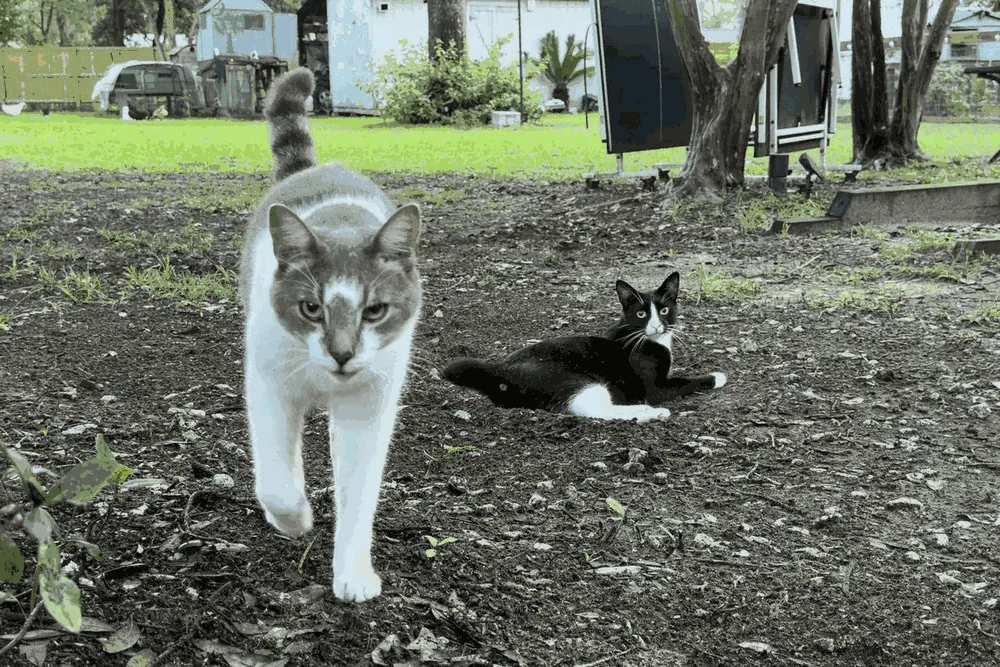
The main disappointment was Cat ID, Whisker’s cat facial-recognition feature. The front-facing camera is supposed to identify which cat has entered the robot and assign each bathroom event to the right profile. Whisker says the feature can track up to five cats. In the test, it struggled with only two cats that did not look alike, eventually confusing them and merging them into two identical cats.
That is a serious weakness for multi-cat households. If the system cannot reliably tell which cat used the litter box, then weight data, visit history, and bathroom-pattern tracking become much less useful. The reviewer also noted that the robot still thought one cat was lighter than he really was. For pet health monitoring, bad data can be worse than missing data because it may lead owners to the wrong conclusion.
WasteID, another AI feature, is supposed to distinguish between urine and feces and handle feces more quickly to reduce odors. In the review, it repeatedly failed to identify waste type accurately. In other words, the 5 Pro’s mechanical cleaning was strong, but the AI layer marketed around health insights did not live up to the promise.
Cameras add utility, but privacy matters
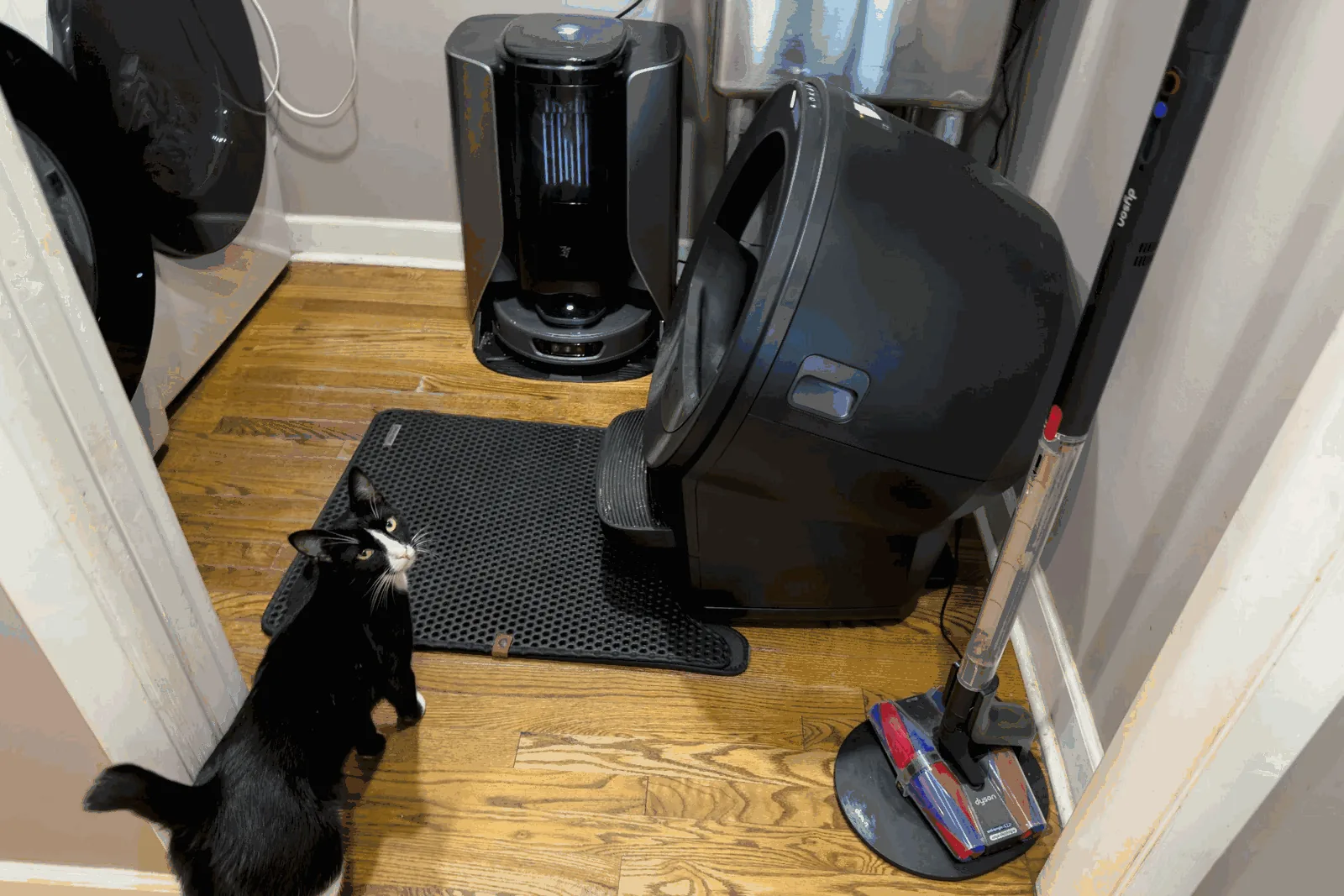
The cameras were not useless. The front-facing camera could help the owner remotely check whether a cat might be near or inside the robot after alerts such as “cycle interrupted” or obstruction detected. These alerts matter because the machine is designed to stop rotating if activity is detected during a cleaning cycle.
But the camera system also created frustration. The internal cameras offered live view only, while routine recordings came from the front-facing camera. The product’s marketing, according to the review, could imply that subscribers would get broader video recording, including an inside view. Whisker said a “poop-view” recording feature is coming soon.
Placement also became a privacy issue. The reviewer discovered that the front-facing camera could capture not only the cats’ litter box visits but also people using a bathroom across the hall. There is an option to record only when a cat is spotted, but many cats follow their owners into bathrooms, making that boundary less clean in real life.
The broader lesson for pet tech
The Litter-Robot 5 Pro shows both the promise and the limits of premium pet technology. The strongest value still comes from dependable mechanical automation: scooping, sealing, odor control, and reduced maintenance. Those benefits are real and useful. The problem is the extra layer of AI, which is being used to justify a higher price and a subscription but, in this test, did not produce dependable identification or health data.
For ordinary cat owners, the buying logic should be simple: evaluate these devices first as automatic litter boxes, not as medical-style monitoring systems. Multi-cat households should be especially cautious, because identity assignment is central to useful health tracking. Until these systems become more accurate, transparent, and easier to correct, pet AI will remain an appealing promise rather than a fully trusted home health tool.