
Tencent Opens the WorkBuddy Ecosystem and Points Toward an Agent OS
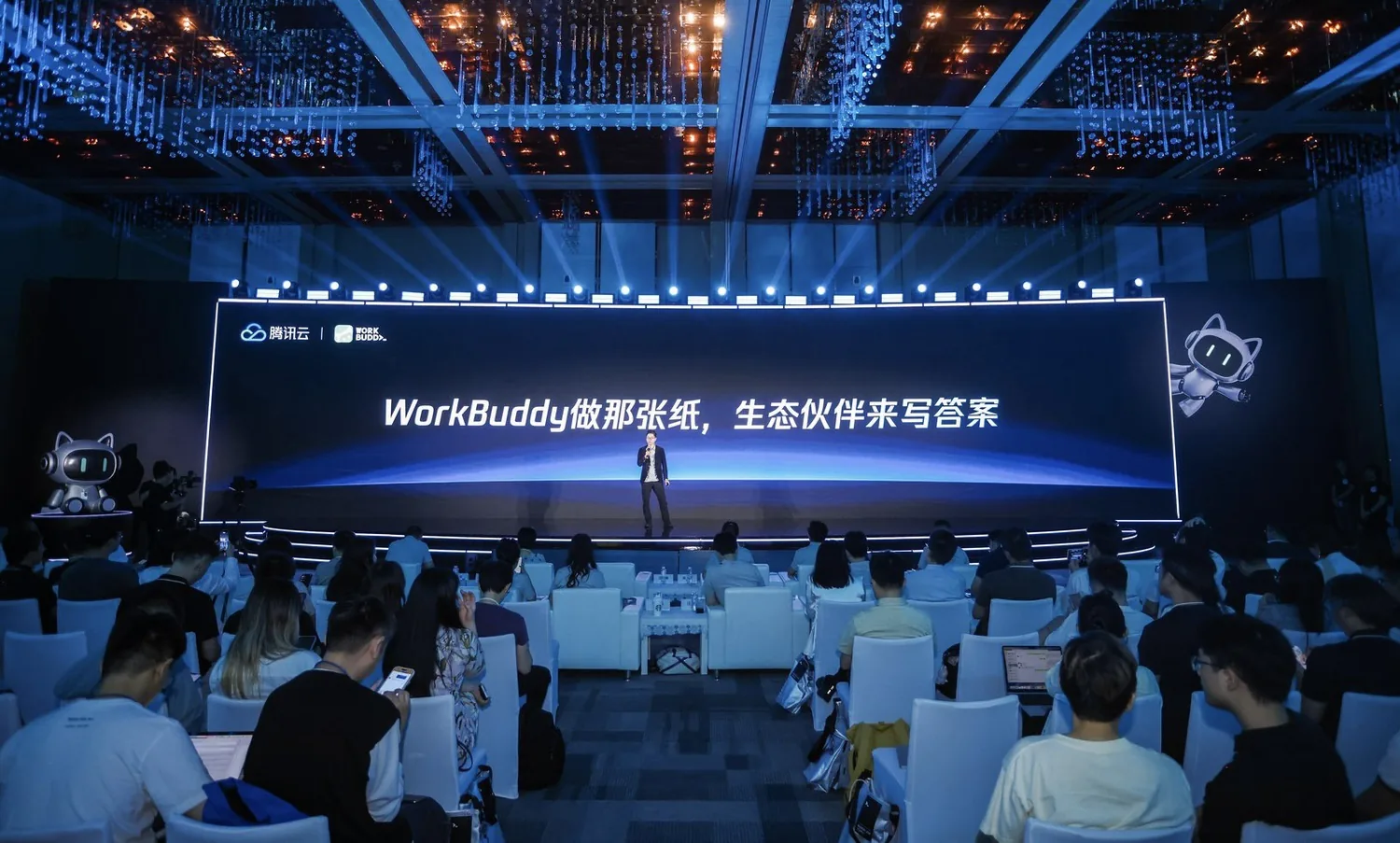
On September 2, Tencent announced that WorkBuddy would open its cooperation ecosystem to more software and hardware partners, signaling a shift from a standalone AI office product toward a broader Agent OS (Agent Operating System) platform. Earlier, Anthropic released the Model Hardware Standard, an attempt to create a common language for communication between AI agents and hardware. Tencent’s move reflects a broader shift in AI competition: as agents move beyond chat windows into labs, factories, and enterprise workflows, the key question becomes who can connect tools, hardware, data, and tasks.
Building a Unified Work Chain: Software, Hardware, and Agents
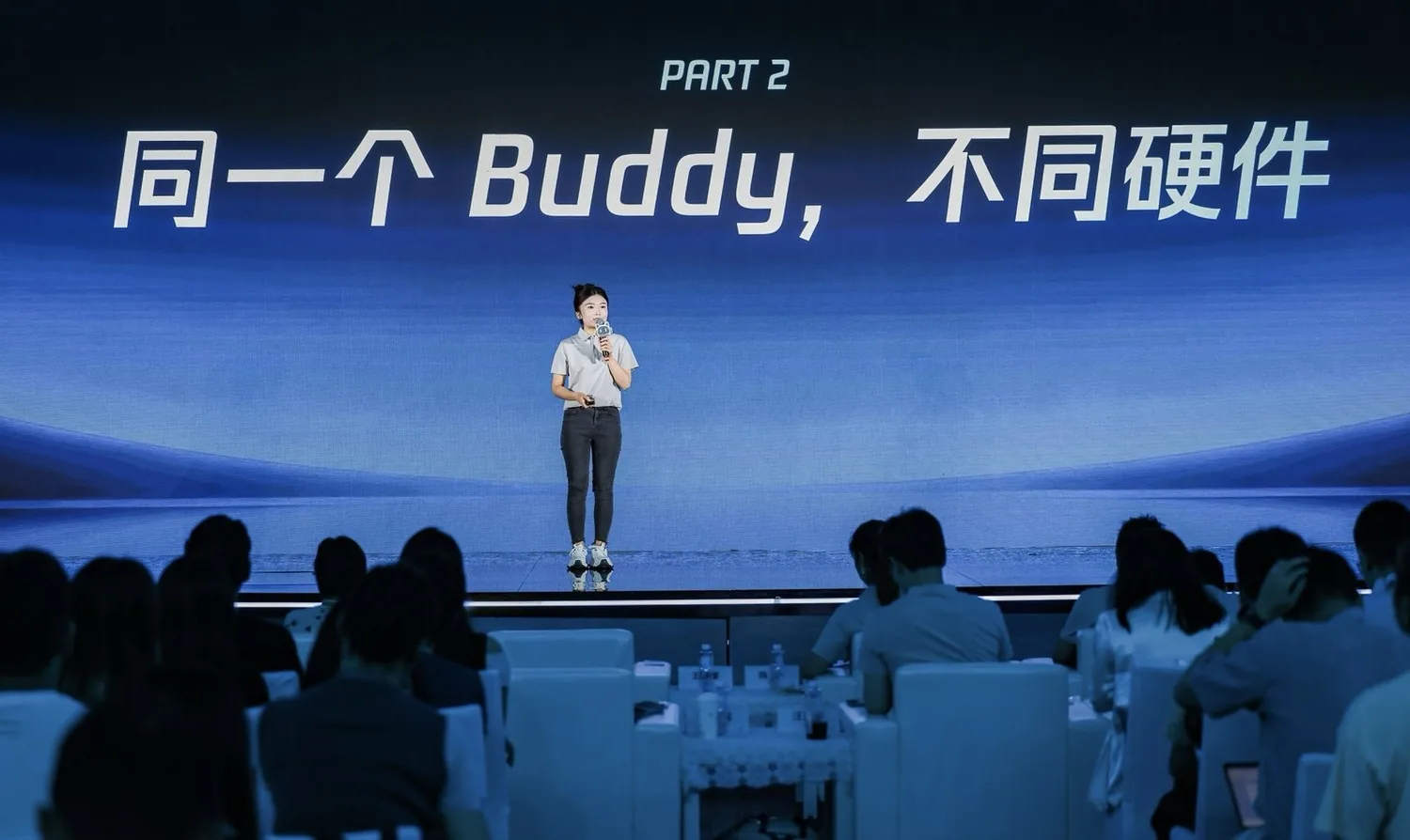
WorkBuddy’s ecosystem spans two major categories:
- Software partners: Tongdaxin, GF Securities, Peking University Law Database, Weimob, Beisen, Yunzhangfang, Fanruan, and others, covering finance, legal services, merchant operations, HR, accounting, tax, and data analysis
- Hardware partners: Plaud, Rokid, Insta360, Youlanzi, iFLYTEK, Anker, Moman, JD Jingzao, and others, providing entry points for audio, images, and mobile work scenarios
A typical workflow could now span multiple devices: a user enters a meeting room with a recorder or smart glasses, and the discussion becomes task input; after the meeting, content is transcribed and archived, action items are extracted, related materials are retrieved, and follow-up emails or collaboration tasks are pushed to the relevant systems. The key shift is that tasks, memory, and outputs can continue along the same chain across devices, reducing the gap between AI suggestions and manual execution.
Youlanzi’s co-branded keyboard microphone shows another interaction pattern: developers can describe requirements by voice and have the agent generate code snippets without leaving the code editor. For creators and office users, fragmented ideas can also be turned into structured to-dos or drafts, creating a more practical “always-on” voice interface.
Three Core Modules Opened for Integration
To support deeper hardware and software integration, WorkBuddy has opened three key capability modules:
- Skill: Developers can package industry methods or workflows
- Expert: Domain knowledge and judgment patterns can be modularized
- Connector: Proprietary APIs or external tools can be integrated
From Product to Ecosystem: What Makes an OS

WorkBuddy’s ecosystem strategy is not an isolated move. Tencent’s Q1 2026 earnings disclosure says that by daily active accounts, WorkBuddy has become China’s most popular productivity AI agent service; third-party data from Analysys shows that PC monthly visits exceeded 20 million in June, maintaining market leadership. This traction supports its platform thesis: an OS is not designed for a single application, but emerges from a wide range of real-world task types.
The industry’s discussion of agent capability is moving beyond model reasoning and generation into system orchestration and context management. The former determines whether a model can understand a problem; the latter determines whether an agent can remember task status, call the right tools, and advance user intent within permission boundaries. This is where WorkBuddy is trying to position itself.
The finance research scenario illustrates the value. Tongdaxin has packaged 30 years of investment research capability into WorkBuddy. With a natural-language request, users can generate structured, traceable research-report-style content in minutes. The system includes 26 Experts and 14 Skills; when data is missing, it labels the gap as “pending” rather than filling it in. This reflects a hard constraint in professional scenarios: traceability and auditability matter more than surface-level completeness.
Adoption Guidance
- Consider adopting now if: your work frequently spans multiple tools, such as finance analysis, legal support, content operations, professional software, enterprise knowledge bases, documents, email, and messaging systems; or if your team has strong hardware integration needs, such as frequent remote meetings and multi-device collaboration
- Evaluate carefully if: your organization has strict requirements for data isolation, task memory retention, authorization of critical actions, and audit trails; or if your workflow depends heavily on non-standard devices or customized systems that may require additional integration work
In Closing
The core challenge of Agent OS is shifting from front-end model competition to system-level orchestration. WorkBuddy’s path suggests that once large models can understand and reason, their commercial value depends on how deeply and broadly they can coordinate real-world tools. But ecosystem expansion will ultimately depend on governance maturity: the richer the context, the stronger the trusted boundaries must be.