
A Luxury Estate Deal Shoves xAI Co-Founder Back Into the Spotlight
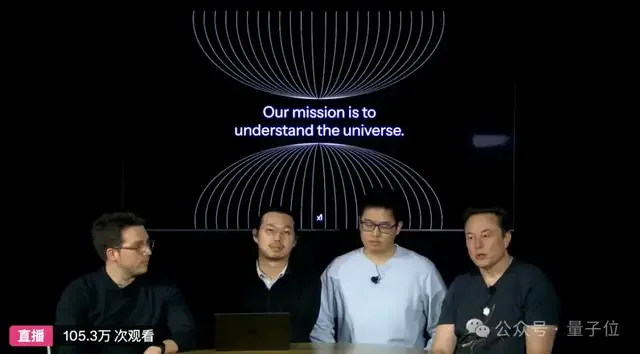
Tony Wu, an AI researcher born in 1995 in Hangzhou, was identified by media leads as the buyer behind Silicon Valley’s highest residential deal so far this year — a mansion in the affluent town of Hillsborough in North California, purchased for $70 million, roughly 500 million RMB. He left xAI, the company founded by Elon Musk, about half a year ago.
The deal has drawn attention not just because of the sheer price tag, but because the buyer may be a key technical figure from the recent large-model boom. Wu was one of xAI’s 12 co-founders and appeared on stage alongside Musk during the Grok 3 launch. His journey from a reasoning-model researcher to a buyer of Silicon Valley’s top-tier estates is seen as a microcosm of the wealth created by AI equity.
The Estate, the Trust, and a Buyer Pieceed Together
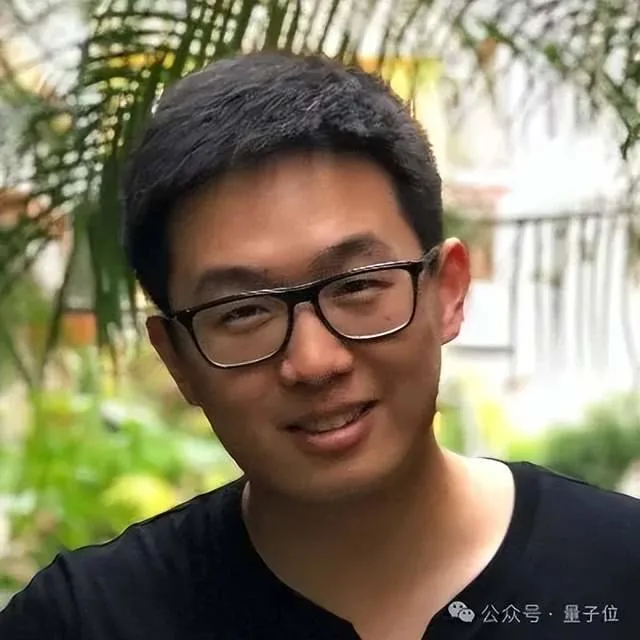
The estate was initially listed at $88 million, later dropped by $10 million, and finally closed on August 6 for $70 million. Public records show the buyer was not an individual but a company called Daikon no Hana Capital, registered on July 9, managed by a lawyer specializing in estate planning.
Media outlets linked the buyer to Wu based on several clues: a week before the mansion deal closed, the same lawyer transferred Wu’s previous $12 million residence into a family trust. Meanwhile, the buyer’s agent had only handled one other major residential transaction in the past five years — the property Wu purchased in 2025. Although Wu’s name does not appear directly in public records, the convergence of information has led many to conclude the true buyer is fairly clear.
Key details about the property include:
- Approximately 12 acres of land;
- A main house of roughly 12,000 square feet, plus a guest house of about 4,600 square feet;
- Tennis courts, a nine-hole golf course, an eighteen-hole putting green, and a koi pond;
- An outdoor amphitheater seating 150, a 2,100-gallon aquarium, and an outdoor fountain modeled after Bellagio in Las Vegas.
From Hangzhou to Grok 3: The Reasoning-Model Route Hits the Spotlight
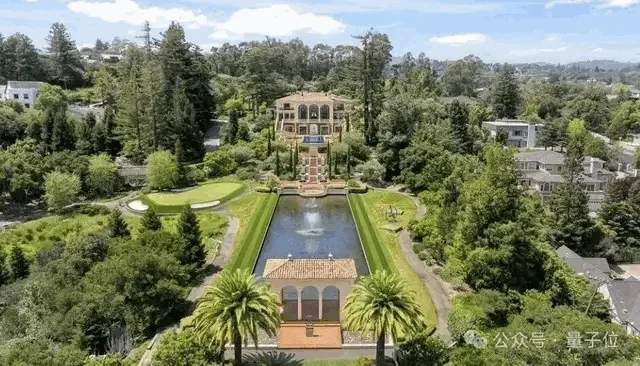
Long before the mansion story, Wu became known in the AI community for his long-term research on “teaching machines to reason.” Born in Jiande, Hangzhou in 1995, he later attended the University of Toronto for a Ph.D. in machine learning, working under advisors Roger Grosse and Jimmy Ba. After completing his doctorate, he moved to Stanford for postdoctoral research. On his personal website, he summarizes his research direction as “building machines that can reason.”
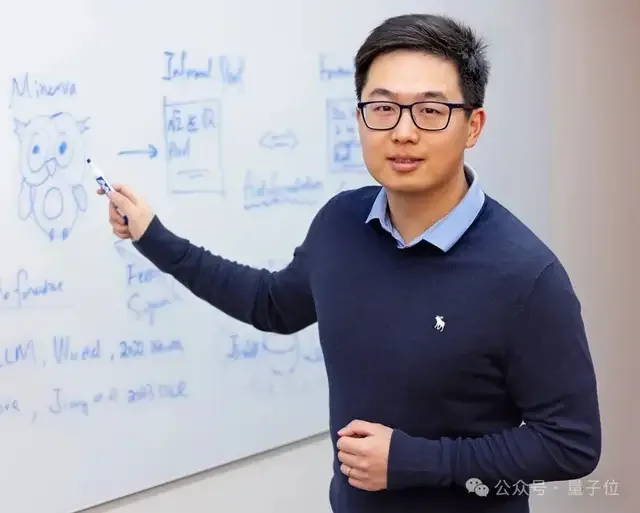
A reasoning model, simply put, is one that doesn’t just spit out an answer directly — instead, it generates intermediate steps, checks its own derivations, and works through complex problems over extended reasoning chains. Wu has contributed to projects such as AlphaStar, the self-taught reasoner STaR, the math model Minerva, and the geometry reasoning system AlphaGeometry. He has also worked or interned at OpenAI and Google.
In 2023, when Musk formed xAI, Wu and his advisor Jimmy Ba joined as two of the 12 co-founders. By the time Grok 3 was released, he was regarded as a key figure on the reasoning team. Grok 3’s emphasis on “think first, then answer,” along with its backtracking, verification, and extended reasoning capabilities, aligns closely with Wu’s years of prior research.
In February this year, shortly after xAI merged into SpaceX, Wu announced his departure; a day later, Jimmy Ba also left. Wu said at the time that he would explore a new chapter in life, expressing his belief that “small teams armed with AI can move mountains.” As of now, no public information has emerged about his new company.
xAI’s Wealth Creation and Silicon Valley’s Asset Repricing
The购房 has been amplified because it is tied to the wealth effects following xAI’s merger with SpaceX. According to the U.S. securities filings cited in the original report, each xAI share converts into 0.7165 SpaceX shares; valued at the SpaceX listing’s first-day closing price, this amounts to approximately $115.32 per share — about 53% higher than the $75.46 per-share cash option SpaceX offered to certain qualifying individuals at the time of the merger. However, Wu’s specific shareholding and the amount he has cashed out remain undisclosed.
Media estimates suggest that SpaceX’s wealth effects have already made over 4,400 current and former employees millionaires, with roughly 400 of them holding equity worth more than $100 million. If Anthropic, OpenAI, and other companies continue to unlock value through future listings, mergers, or equity transactions, asset leaps for core AI researchers may well persist.
At the industry level, AI company competition is expanding from model capability to a broader interplay of talent, capital, and urban assets. Top researchers don’t just bring traditional single-role skills — they possess rare abilities that can directly shape model roadmaps and product directions. When these abilities are priced into equity, wealth concentrates even more heavily among a small group of core members. Bay Area home prices have risen 14% over the past year, and luxury transactions have become frequent — clear signals that new AI wealth is flowing into real asset markets. Looking ahead, AI startups, tech giant M&A, and capital exits will continue to reshape Silicon Valley’s wealth landscape. But the market will also pay closer attention to whether this wealth stems from sustainable product revenue or from early bets on the next generation of intelligent platforms.