
AI Models Go Retail: Zhipu’s Tmall Launch Marks Channel Shift
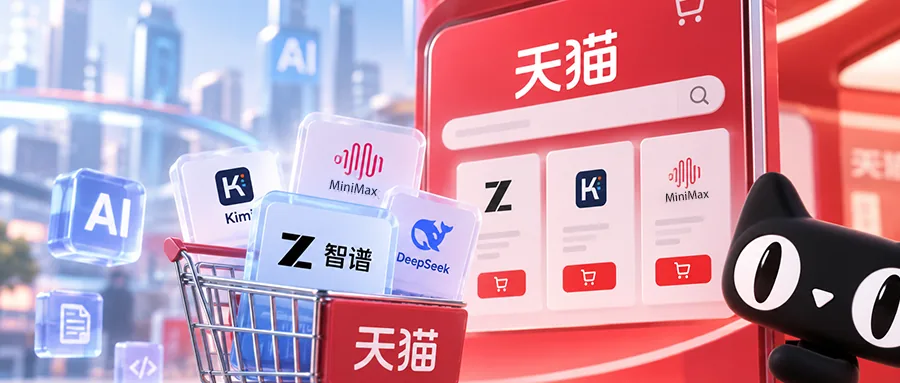
On September 4, 2024, Chinese AI firm Zhipu AI officially launched its Tmall flagship store, offering Coding Plan subscription packages, including Lite, Pro, and Max versions for individual users across monthly, quarterly, and annual cycles. Within 48 hours of opening, brand searches surged 50-fold, and AI token subscription sales on Tmall/Taobao rose over 160% month-over-month. Tmall also introduced an “AI Space Station” feature, accessible via token searches.
After Alibaba Cloud’s prior entry, MiniMax, Kimi, and other leading model providers are expected to follow suit. This move marks a pivotal shift from official website direct sales to e-commerce shelf model, transforming AI services from “technical products” to “standardized goods.”
Three Irreplaceable Advantages of E-commerce Channels

Compared to official websites, e-commerce platforms provide AI models with novel capabilities:
Standardized Product Framework: Tmall implemented the “AI Software and Application Product Release Guidelines” in April, mandating clear pricing for token quantity and membership duration. Product pages must specify “token count (1 million/10 million Tokens)” and “membership length (1 month/3 months/12 months),” driving AI product standardization.
Rapid Audience Expansion: Tmall/Taobao’s monthly active users approach 1 billion, surpassing most search engines. Core 88VIP members exceed 60 million, featuring high spending power and repeat purchase rates. Zhipu’s store attracted a 40-fold search surge on its first day, confirming e-commerce’s traffic conversion efficiency.
Reputation Accumulation: Sales, reviews, and repurchase data build cumulative brand equity. Unlike official sites, e-commerce platforms enable scored ratings, reputation building, and long-term repeat purchase tracking.
Notably, office scenarios are emerging as the primary AI monetization frontier. CITIC Securities’ July 2026 report estimates China’s general-purpose office Agent market will reach approximately 39 billion yuan annually at maturity over 3-5 years. Compared to entertainment or chat, office use has stronger payment logic: AI saves time and boosts efficiency, making enterprises and individuals more willing to pay for productivity tools.
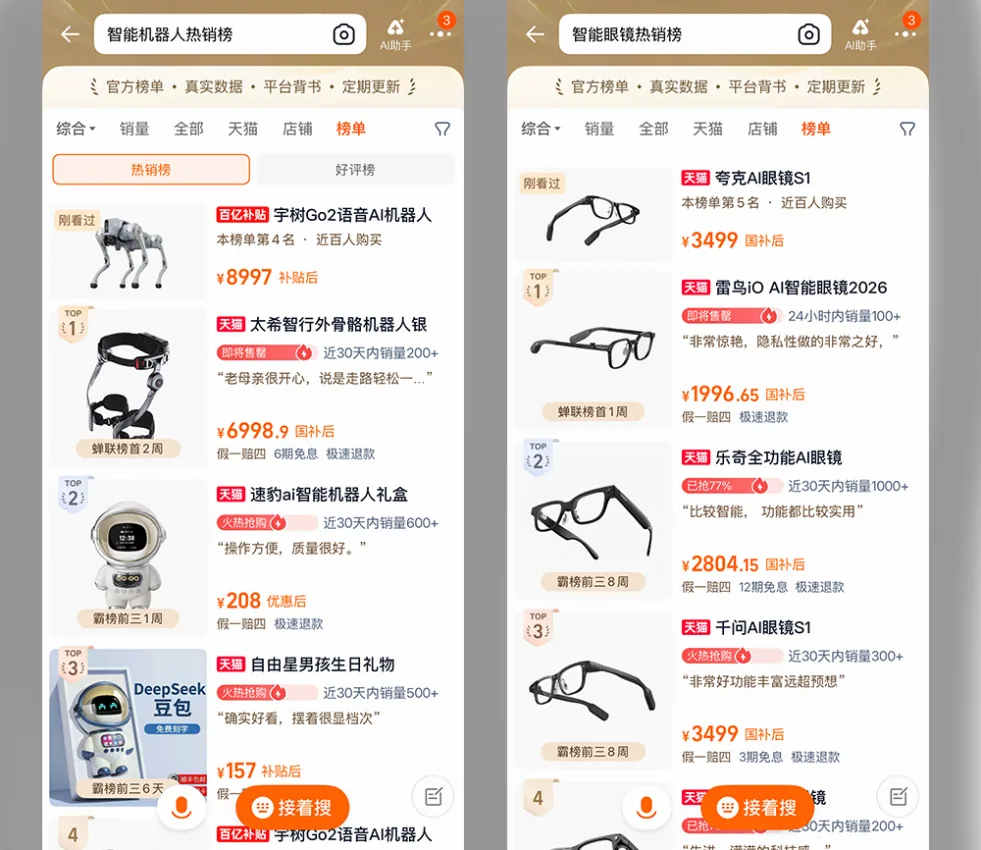
AI Subscription Pricing (Based on Actual Tmall Listings)
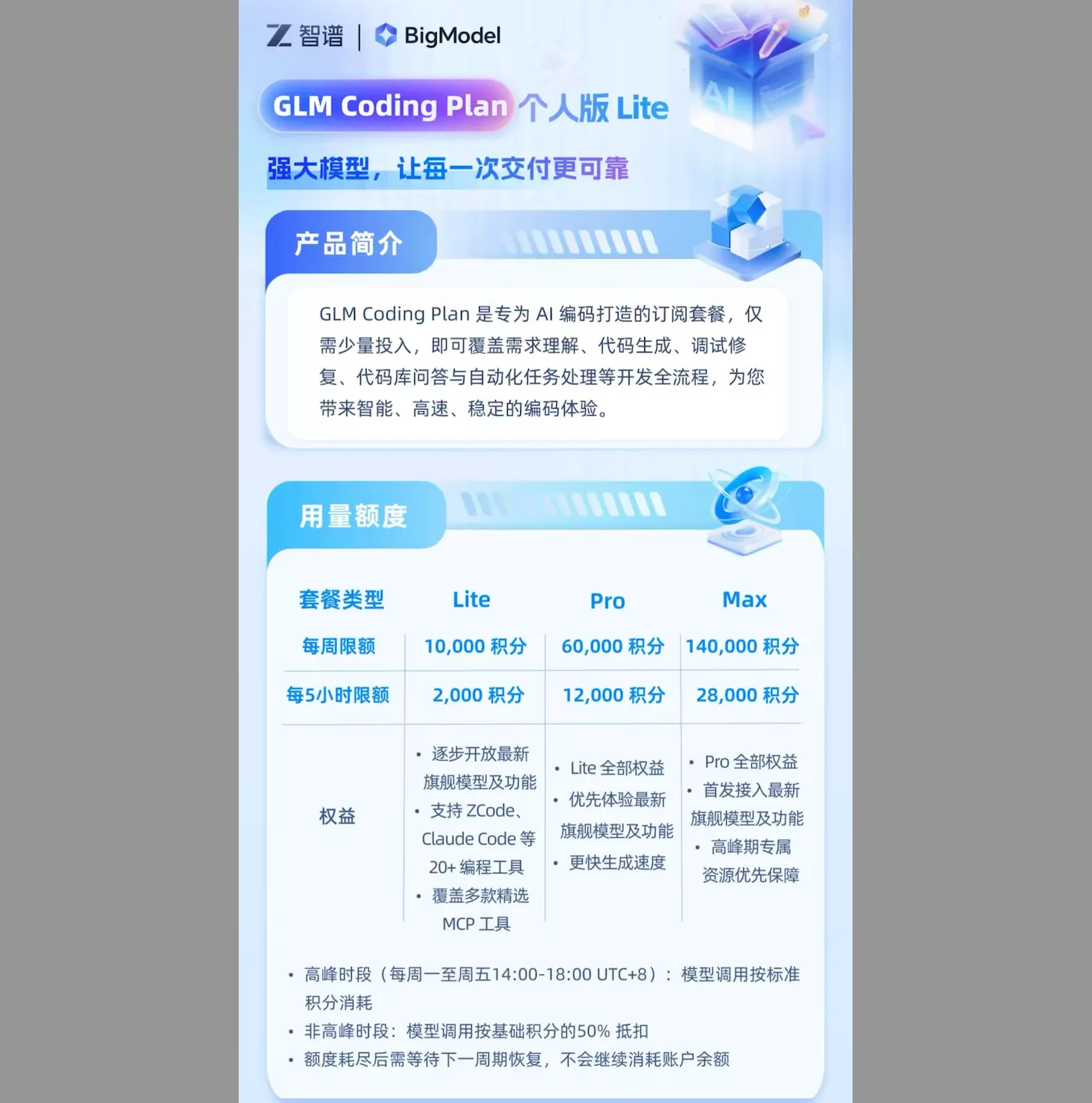
| Plan | Subscription Cycle | Target Users | Feature Focus |
|---|---|---|---|
| Lite | Monthly/Quarterly/Annual | Light individual users | Core functionality |
| Pro | Monthly/Quarterly/Annual | Professional office users | Advanced capabilities |
| Max | Monthly/Quarterly/Annual | High-frequency users | Full feature set |
Customer Recommendations
- Buy Now if: You have steady AI office needs—particularly writing documents, creating slides, or processing spreadsheets. Cost-conscious frequent users should consider quarterly plans.
- Wait Before Committed Purchase if: You use AI occasionally or have low model capability requirements; monitor upcoming promotions or free-credit policies.
In Conclusion
Zhipu’s retail move signals technology’s transition from engineering tool to consumer product. When tokens become standardized shelf items with visible pricing, AI achieves a critical leap toward everyday adoption. E-commerce platforms serve not just as sales channels, but as translators converting technical language into commercial terms—making AI perceptible, comparable, and trustworthy for all users.